

Can I Purchase an MRT Test?
Have you been dealing with bloating, digestive discomfort, headaches, fatigue, or other symptoms that seem to change depending on what you eat?
Maybe you’ve tried cutting out dairy or eating gluten-free. Or maybe you’ve kept a food journal or experimented with elimination diets, but you’re still not sure which foods are making you feel bad.
If you’ve heard about MRT food sensitivity testing, you may be wondering: How do I purchase an MRT test kit, and what do I do with the results?
Before you purchase an MRT test, it’s important to know that MRT isn’t the same as those at-home food sensitivity test kits you order and complete on your own with a finger prick or hair analysis. MRT requires a blood draw and is obtained through a qualified provider who will help you understand and apply your test results.
MRT results are most useful when they’re considered alongside your symptoms, health history, diet, and overall health. Before deciding whether testing is right for you, here’s what you should know about the process, your results, and what happens next.
What Is the MRT Food Sensitivity Test?
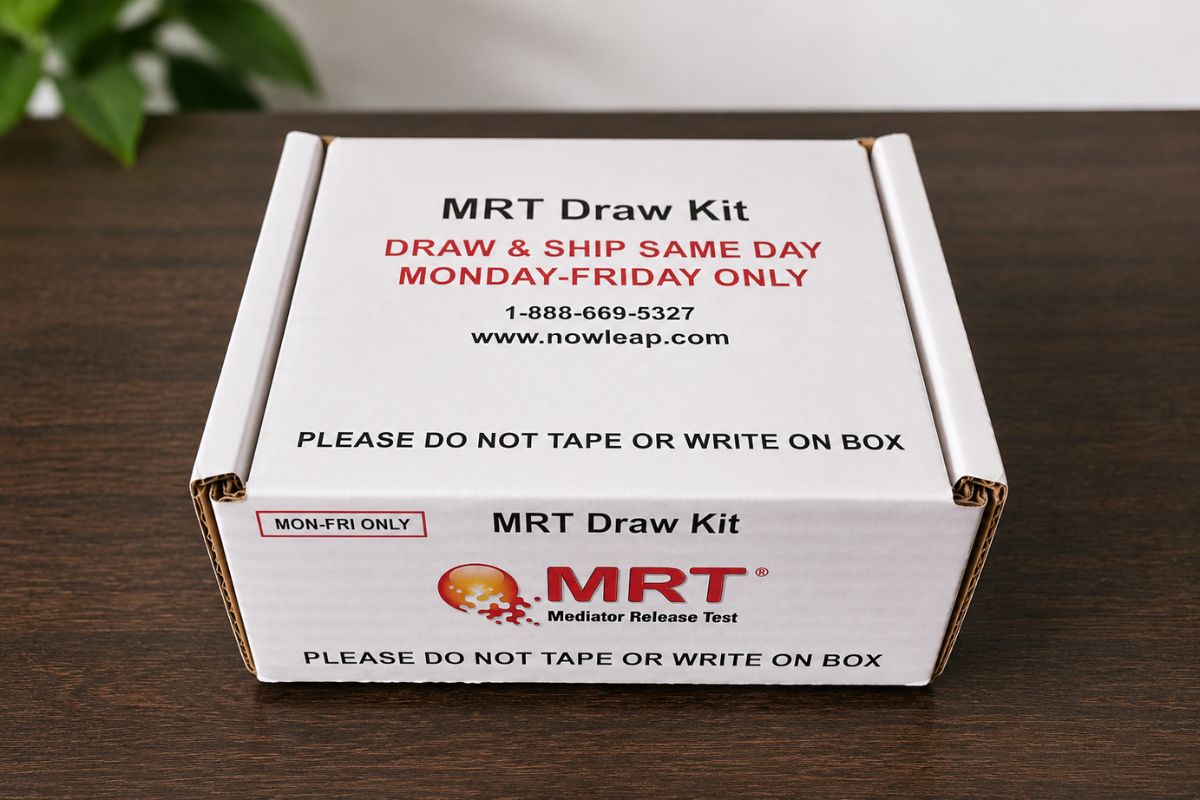
MRT stands for Mediator Release Test. It’s a blood test used as part of an assessment for food and food-chemical sensitivities.
Food sensitivities are different from true food allergies. Food allergies involve an immune response to specific foods and can cause immediate and potentially serious reactions. Food allergies involve an antibody in your blood called IgE.
Food sensitivities are usually associated with symptoms that are less immediate, making them more difficult to connect to a particular food. Food sensitivities can involve different parts of the immune system, including IgG, IgA, IgM, and the innate immune system.
Many food sensitivity tests measure antibodies formed in your blood in response to certain foods and food chemicals. Most often, IgG is measured, though some tests may measure IgG4 or IgA. The presence of antibodies, however, doesn’t necessarily mean that an inflammatory response occurred or that a particular food is responsible for unwanted symptoms.
MRT measures something different. Before an inflammatory reaction takes place, mediators are released, and MRT measures changes associated with that mediator release. This is used to identify foods and food chemicals associated with reactivity on the MRT test.
But the results are only one piece of the picture.
Your symptoms, medical history, current diet, lifestyle, and other health information should also be considered when determining what those results may mean for you.
Can You Purchase an MRT Test Kit Online?

If you’re looking to purchase an MRT test kit, you may be wondering whether you can just order one online.
Because MRT requires a blood draw and the results need to be interpreted within the context of your overall health and nutrition, the process involves working with a qualified healthcare or nutrition professional.
In my practice, I look at your symptoms, health history, eating patterns, and what you’ve already tried before determining whether MRT testing may be useful for you. If we decide to move forward, I can help you understand the testing process, review your results, and translate that information into a personalized nutrition strategy.
When you work with a gut health dietitian who also offers MRT food sensitivity testing, you get so much more than a test report. Knowing that your body showed reactivity to certain foods doesn’t tell you what you should eat tomorrow. That’s where understanding the results in the context of your overall health becomes important.
Is an MRT Test Kit an At-Home Food Sensitivity Test?
Search for an MRT test kit online and you may expect to find something that arrives at your door, requires a quick finger prick, and gets mailed back to a laboratory.
That’s not how MRT testing works.
MRT requires a blood sample, and as we discussed earlier, not all food sensitivity tests measure the same thing or use the same methodology.
That’s an important distinction when you’re comparing your options.
Instead of choosing a test based solely on how many foods it includes or how easy it is to order, it’s worth understanding what the test measures, what the results can and cannot tell you, and how you’re going to use that information afterward.
After all, receiving pages of results isn’t particularly helpful if you’re left wondering what you’re supposed to eat.
What Happens After You Purchase an MRT Test?
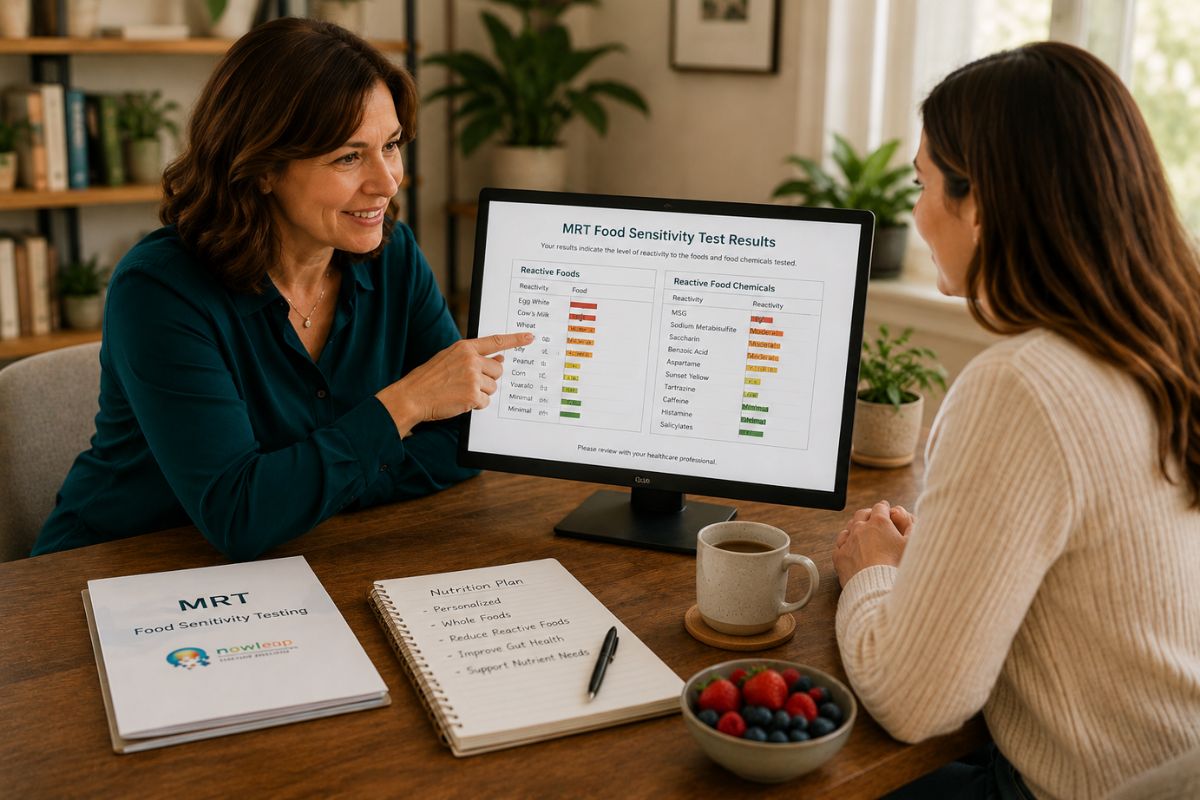
While the exact process can vary depending on the practitioner you’re working with, MRT testing involves several steps.
Step 1: Determine Whether MRT Testing Is Appropriate
Before testing, it’s helpful to look at your symptoms, health history, current diet, and what you’ve already tried.
Not everyone experiencing bloating or digestive discomfort needs food sensitivity testing. Food sensitivities can affect every organ in the body, so symptom review should look beyond digestion alone. The goal is to determine whether MRT could provide useful information for your particular situation rather than ordering a test just because it’s available.
Step 2: Complete Your Blood Draw
MRT requires a blood sample rather than a simple at-home finger prick.
You’ll receive instructions for where and how to complete your blood draw as part of the testing process, and because the blood sample is time-sensitive after collection, it must be shipped promptly to the lab.
Step 3: Your Sample Is Analyzed
Your blood sample is sent to the laboratory for analysis against the foods and food chemicals included in the test, with the lab measuring changes in immune reactivity to deliver more accurate findings.
Once the analysis is complete, both you and your practitioner will receive your MRT test results. Results are typically available within one week.
Step 4: Review Your MRT Test Results
Your results indicate different levels of reactivity to the foods and food chemicals tested.
This doesn’t mean every reactive food should immediately go onto a permanent “never eat again” list.
It also doesn’t mean that every symptom you’re experiencing can be attributed to the foods that appear on your results.
Instead, the results provide information that can be considered alongside your symptoms, eating patterns, health history, nutritional needs, and other factors.
Step 5: Develop a Personalized Nutrition Plan

This is where the information becomes actionable.
Rather than randomly eliminating foods, your practitioner will use your results to structure a detailed nutrition plan based on your unique food sensitivities and individual needs, and when LEAP is used, it follows a 3-phase diet plan.
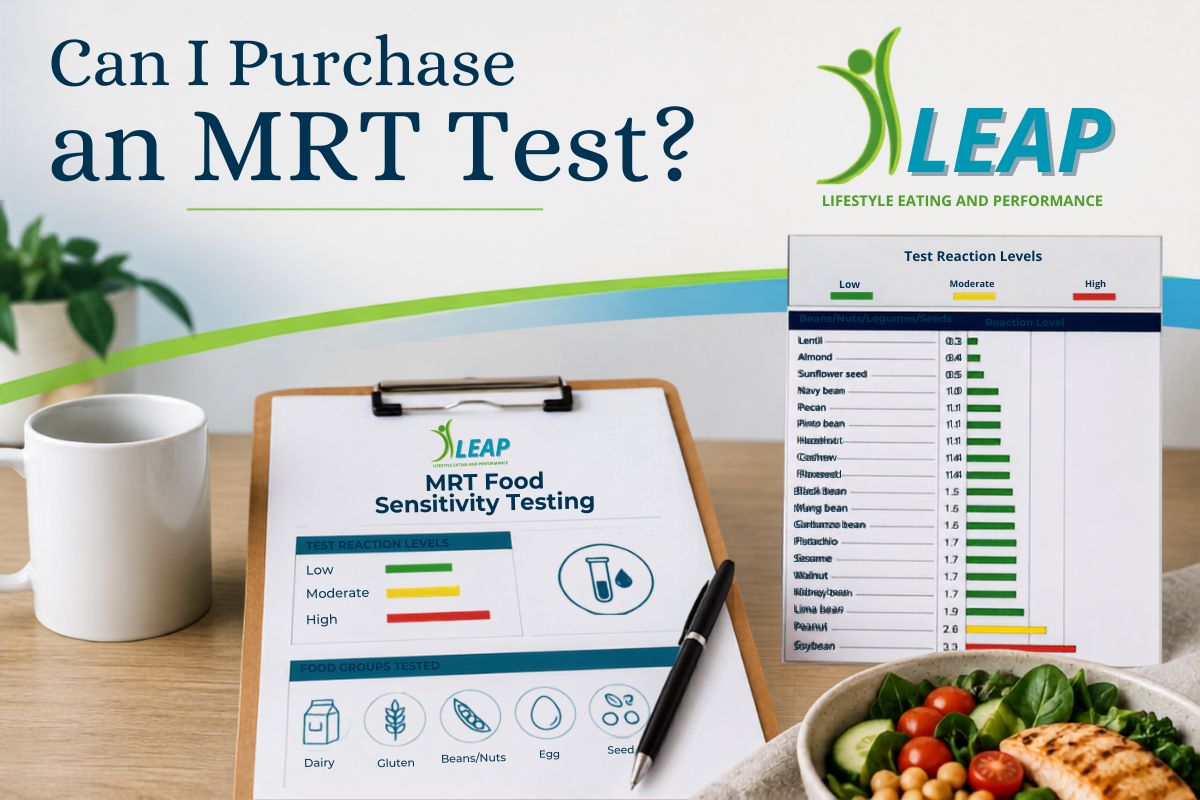
At first, the plan avoids foods higher on the “green” bar and also “yellow” and “red“ reactive foods, as well as any foods not tested.
In later phases, untested foods and previously reactive foods may be reintroduced gradually when appropriate.
The goal isn’t to make your diet smaller and smaller. It’s to use the information strategically while continuing to support adequate nutrition and a healthy relationship with food.
Why Purchasing an MRT Test Is Only the First Step
It’s easy to think getting the test will finally answer all your questions.
Then the report arrives.
Suddenly, you have new questions:
Do I need to remove every food that showed reactivity?
How long should I avoid these foods?
What can I eat instead?
Will I ever be able to eat these foods again?
How does this relate to my IBS, SIBO, bloating, or other symptoms?
This is why purchasing an MRT test is only the beginning.
A report gives you information. Knowing how to use that information in a way that supports your health is another matter.
MRT results aren’t a treatment plan by themselves. They’re information that can be considered alongside your symptoms, health history, nutritional needs, and goals to help guide your next steps.
Depending on your results and individual needs, MRT testing may be paired with the Lifestyle Eating and Performance (LEAP) protocol, a structured nutrition approach that uses MRT results to help guide food choices, reduce unnecessary dietary guesswork, and determine when and how foods may be reintroduced when appropriate. Some clients see amazing results, including symptom improvement in 10-14 days, when following the plan. The LEAP protocol is also intended to help reduce inflammation in that same 10-14 day window by lowering food-triggered inflammation.
The goal is to use your results as part of a personalized strategy, not to leave you with a long list of foods you’re suddenly afraid to eat.
Food should still feel nourishing and enjoyable.
Should You Purchase an MRT Test?
MRT food sensitivity testing isn’t necessary for everyone experiencing digestive issues.
However, it may be worth discussing if:
- You experience persistent symptoms that seem connected to food, since food sensitivities can cause widespread inflammation in the body.
- You’ve tried elimination diets without getting clear answers.
- You find yourself constantly guessing about trigger foods.
- Your symptoms seem unpredictable, including bloating, fatigue, and migraines.
- You want a more structured approach to identifying possible patterns behind inflammatory symptoms, including headaches and joint pain.
- You’re willing to work with a qualified professional to understand and apply your results.
Testing should have a purpose.
The goal isn’t simply to collect more information. It’s to determine whether that information can help you make more informed decisions about your nutrition and health.
Before ordering an MRT test because you’re frustrated and looking for answers, consider whether the results are likely to provide useful information and how you’ll use that information afterward.
Frequently Asked Questions About Purchasing an MRT Test
Where Can You Purchase an MRT Test?
MRT testing is obtained through a qualified provider rather than treated as a simple DIY test. Consulting with a registered dietitian who offers MRT testing can help you determine whether the test is appropriate for you and understand the process from ordering the test to reviewing your results and deciding what comes next.
Is MRT an At-Home Test?
Not in the same way as many mail-in food sensitivity kits. MRT requires a blood draw, and while it’s often possible for a phlebotomist to come to your home to do the draw, it isn’t a simple finger-prick test completed entirely at home.
Where Do You Get Blood Drawn for an MRT Test?
Your provider will give you instructions for completing the required blood draw. The exact process and available blood draw options or locations can vary, so it’s important to confirm these details with your provider when ordering the test.
Do I Need a Dietitian to Interpret My MRT Results?
Professional guidance can be valuable because your MRT results don’t exist in isolation.
A Certified LEAP Therapist (CLT) is a dietitian who is trained to interpret MRT test results and apply them to each person. A CLT considers the findings alongside your symptoms, health history, nutritional needs, eating patterns, and goals and helps turn that information into a practical nutrition plan.
How Much Does an MRT Test Cost?
The cost of MRT testing can vary depending on whether you’re purchasing the laboratory test alone or receiving additional services such as result interpretation, a personalized nutrition plan, and follow-up support.
Before ordering, ask what’s included in the price so you understand whether you’re paying only for testing or for additional guidance after your results arrive.
How Long Does It Take to Get MRT Test Results?
MRT results are typically returned within 1 to 2 weeks, though exact turnaround can vary by provider and order details. Your provider can give you the most current estimate when your lab test is ordered and explain what happens once your results are available.
Is MRT Food Sensitivity Testing Right for You?

If you’ve spent months or even years wondering whether gluten, dairy, eggs, coffee, or another food is contributing to how you feel, it’s understandable to want something more concrete than another round of guessing.
MRT food sensitivity testing may provide useful information for some people, but it is not designed to diagnose classic IgE-mediated food allergies or Celiac disease, and the test itself doesn’t tell you everything you need to know about your symptoms.
The goal is to understand how the results fit into the bigger picture and use that information to create a nutrition strategy that supports your health without unnecessarily restricting your diet.
If you’re ready to purchase an MRT test or you’re still deciding whether food sensitivity testing is the right fit for you, I’d love to help. Schedule a free 20 minute chat so we can talk about your symptoms, what you’ve already tried, and whether MRT testing could be a useful part of your personalized nutrition plan.